Live Script: A Graceful Typeface for Modern Web Design
I was staring at a blank hero section for a boutique wedding planner’s new website, struggling to find the right voice. The client wanted something elegant but not stiff, personal yet professional. I had tried three different sans serif fonts that felt too corporate and two heavy display fonts that overwhelmed the layout. Then I loaded Live Script. Within minutes, the mood of the entire landing page shifted. The thin, graceful strokes brought an immediate sense of sophistication without sacrificing legibility on a high-resolution screen. It wasn’t just a font; it was the missing piece of the digital brand identity.
As web designers, we know that typography is more than just making text readable; it’s about setting the emotional tone before a user even reads a single word. Live Script, part of the Script Amp category of Fonts, offers a ravishing style that feels perfectly suited for modern digital experiences where elegance meets functionality. Here is my hands-on review of how this typeface performs in real-world web layouts, from hero sections to social media graphics.
The Visual Personality of Live Script in Digital Layouts
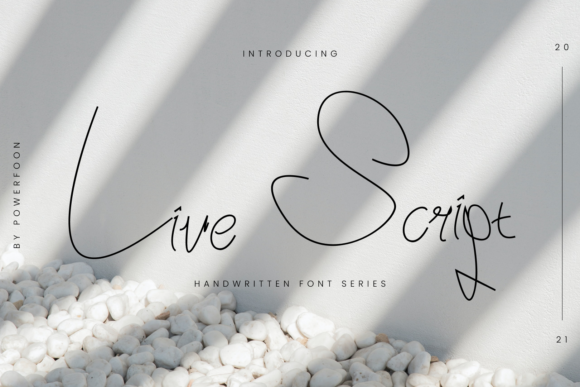
At first glance, Live Script stands out as a premium script font characterized by its thin lettering and fluid connections. Unlike many decorative scripts that can look messy or overly ornate on a monitor, this typeface maintains a clean structure. When I applied it to a portfolio homepage for a freelance photographer, the contrast between the delicate strokes and the bold imagery created a stunning visual hierarchy. It acts as a powerful display font that draws the eye immediately to key headlines.
The "ravishing style" mentioned in its description isn't hyperbole. In a digital context, this translates to a sense of movement and grace. When used in a hero banner with a soft, blurred background image, the font seems to float above the content, adding depth and texture. For brands aiming for a feminine, artistic, or high-end aesthetic, Live Script delivers a level of polish that generic web fonts simply cannot match. It elevates the perceived quality of the site instantly, signaling to visitors that attention has been paid to every detail of the design.
Strategic Placement: Where Live Script Shines Online
While Live Script is beautiful, knowing where to use it is crucial for maintaining good UX (User Experience). In my testing, I found it excels in specific areas of a website:
- Hero Section Headlines: Using the font for the main H1 tag on a landing page creates an instant hook. For a coaching website, the phrase "Design Your Life" looked inviting and empowering rather than commanding.
- Section Dividers: Short, decorative phrases like "Our Story," "Services," or "Get in Touch" work beautifully as section headers, breaking up dense blocks of content with a touch of personality.
- Call-to-Action (CTA) Accents: While I wouldn't use it for the button text itself due to size constraints, placing a small script accent next to a bold CTA button adds a unique flair.
- Social Media Graphics: When designing promotional banners for Instagram or LinkedIn, Live Script ensures that the text pops against busy backgrounds, making posts feel more curated and less automated.
In one project involving a course sales page, I used Live Script exclusively for the testimonial names and the course title. This created a warm, human connection that made the digital product feel more accessible. It proved that even in a purely commercial environment, a handwritten-style font can build trust and rapport.
Readability and Responsive Design Considerations
One of the biggest challenges with script fonts on the web is responsiveness. As screens get smaller, thin lines can disappear or become illegible. During my review of Live Script, I tested various viewport sizes, from desktop monitors to mobile devices. The font holds up remarkably well down to about 24px on a light background. However, for mobile navigation menus or footer links, it is best avoided.
When designing for dark mode or dark backgrounds, the thinness of the letters requires careful attention to color contrast. I found that increasing the stroke weight slightly via CSS filters or choosing a lighter background shade ensured the text remained crisp. For modern typography standards, accessibility is non-negotiable. While Live Script is not suitable for long-form body copy—reading a paragraph in any script font is tiring for the eyes—it is perfect for short, impactful statements.
If you are building a dashboard or a data-heavy SaaS interface, this font is likely not the right choice. Its decorative nature is better reserved for marketing pages, portfolios, and editorial-style blogs where the goal is engagement and emotion rather than rapid information scanning.
Mastering Font Pairing for Brand Consistency
To make Live Script truly effective, it needs a strong partner. The beauty of this typeface lies in its ability to pair effortlessly with neutral, structured fonts. In my recent projects, I consistently paired it with a clean sans serif font like Montserrat or Open Sans for body text. This combination creates a perfect balance: the script provides the charm and personality, while the sans serif ensures clarity and readability.
For a more traditional or editorial look, pairing Live Script with a classic serif font works wonders. This setup is ideal for luxury brands, law firms looking for a softer touch, or literary blogs. The key is to keep the script exclusive to headings and accents. If you overuse it, the design loses its impact and becomes cluttered. By treating it as a highlighter rather than the base layer, you maintain a cohesive brand identity that feels both intentional and sophisticated.
Licensing and Technical Implementation
Before integrating Live Script into your next client project or online store, always verify the licensing terms. As a commercial font, it is designed for business use, but you must ensure you have the correct license for web embedding. Check if the package includes webfont availability in formats like WOFF2, which are essential for fast-loading websites. Optimizing file size is critical for Core Web Vitals, so using the compressed web versions provided by the creator will help keep your site speed high.
Additionally, explore the included styles, alternates, and ligatures. Many premium scripts offer swashes or alternate characters that can be used for logo design or special opening letters in articles. These small details can significantly enhance the uniqueness of your design assets. Also, check multilingual support if your audience is global; ensuring the font renders correctly in different character sets prevents broken layouts for international users.
In conclusion, Live Script is a versatile addition to any web designer's toolkit. It bridges the gap between the warmth of a handwritten note and the precision of digital design. Whether you are crafting a wedding invitation site, a creative portfolio, or a boutique e-commerce store, this font adds a layer of refinement that resonates with users. Just remember to use it strategically, pair it wisely, and let its graceful strokes do the talking.